The shoulder is the most mobile joint in the human body—and because of that, it’s also one of the most unstable. When the structures that hold the shoulder in place are damaged, it can easily pop out of its socket, leading to a painful shoulder dislocation. For some patients, this becomes a recurring problem. Understanding what causes recurring shoulder dislocations is key to choosing the right treatment and preventing long-term joint instability.
At the offices of Steven Struhl, MD – AC Joint Separation, located in both New York City and Westchester, NY, we specialize in diagnosing and treating shoulder instability, including AC joint separations and recurrent shoulder dislocations, using advanced, minimally invasive techniques that restore lasting stability and function.
Why Shoulder Dislocations Happen
Your shoulder joint (the glenohumeral joint) works like a ball and socket. The “ball” is the top of the upper arm bone (humerus), and the “socket” is a shallow cup on your shoulder blade (glenoid). Because the socket is relatively shallow, stability depends on soft tissues like the labrum, ligaments, and rotator cuff muscles to hold the joint in place.
When a shoulder dislocates—usually from trauma, a fall, or a sports injury—these stabilizing structures can tear or stretch. Once they’re damaged, the shoulder becomes more vulnerable to future dislocations.
According to studies published in the American Journal of Sports Medicine, up to 90% of young athletes under age 25 who experience a traumatic shoulder dislocation may go on to have recurrent instability if left untreated.
Common Causes of Recurring Shoulder Dislocations
Most recurrent shoulder dislocations are caused by a previous injury or trauma to the joint. These include:
1. Labrum Tears (Bankart Lesions)
The labrum is a rim of cartilage that deepens the shoulder socket and helps stabilize the joint. A tear in the labrum—especially from an initial dislocation—makes the shoulder far more likely to dislocate again. A Bankart lesion, a specific type of labral tear, is one of the most common findings in patients with chronic shoulder instability.
2. Ligament and Capsule Laxity
The ligaments and joint capsule are meant to hold the shoulder securely in place. If these tissues are stretched or torn, they can’t provide proper restraint. Some people also naturally have looser ligaments (a condition known as joint hyperlaxity), which increases their risk of repeated dislocations.
3. Bone Loss in the Glenoid or Humeral Head
Repeated shoulder dislocations can wear away bone on the rim of the glenoid (socket) or cause an indentation in the humeral head (called a Hill-Sachs lesion). Once bone loss reaches a certain threshold—often 15–20% of the socket’s surface—the shoulder becomes significantly less stable, even with strong soft tissue.
4. Inadequate Healing or Improper Rehabilitation
If the shoulder is not properly immobilized or rehabilitated after a first dislocation, tissues may heal in a stretched or weakened position. Without strengthening and stability exercises, the joint can easily slip out again with minimal force.
5. Previous AC Joint Separation or Shoulder Trauma
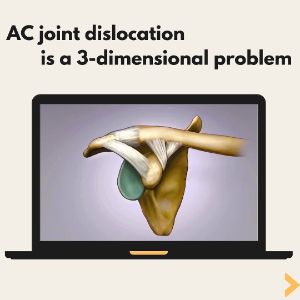
Patients who have suffered an AC joint separation (where the collarbone separates from the shoulder blade) may have altered shoulder mechanics that contribute to instability in the glenohumeral joint. Additionally, sports like football, wrestling, basketball, and hockey—common in the NYC and Westchester athletic communities—carry a higher risk of both AC separations and shoulder dislocations.
Recognizing the Signs of Shoulder Instability
If your shoulder feels loose, painful, or “slips” out during activity, you may be experiencing chronic instability. Other common symptoms include:
- Recurrent dislocations or subluxations (partial dislocations)
- A feeling that the shoulder could “give out” during movement
- Pain with overhead activity or lifting
- Weakness or loss of range of motion
Without proper treatment, ongoing instability can lead to rotator cuff damage, arthritis, or permanent loss of function over time.
Expert Treatment for Shoulder Instability in NYC and Westchester
Dr. Steven Struhl is a board-certified orthopedic shoulder specialist with extensive expertise in treating complex shoulder injuries and instability cases. His approach combines detailed diagnostic imaging, advanced arthroscopic techniques, and personalized rehabilitation to restore stability and prevent recurrence.
For patients with significant bone loss or repeated dislocations, Dr. Struhl offers minimally invasive stabilization procedures such as arthroscopic Bankart repair or bone augmentation techniques to rebuild shoulder strength and alignment. His dual practice locations in Manhattan (NYC) and Westchester, NY, make it convenient for patients throughout the New York metro area to receive expert care.
Regain Confidence in Your Shoulder
Recurring shoulder dislocations don’t have to be a lifelong issue. With the right diagnosis and treatment, most patients can return to sports, work, and daily life without fear of re-injury.
If you’ve suffered multiple shoulder dislocations or ongoing instability, contact Steven Struhl, MD – AC Joint Separation at his NYC or Westchester office today. Schedule a consultation to find out how advanced orthopedic care can help you regain lasting shoulder strength, stability, and confidence.
Posted on behalf of Steven Struhl MD