Shoulder pain can make everyday movements—like reaching overhead, lifting objects, or even sleeping comfortably—difficult. One common source of shoulder pain, especially among athletes and active individuals, is a labrum SLAP tear. This type of injury affects the cartilage that helps stabilize the shoulder joint and can lead to pain, weakness, and reduced range of motion.
At the practice of Steven Struhl, MD – AC Joint Separation, with offices in New York City and Westchester, patients receive expert evaluation and treatment for complex shoulder injuries, including SLAP tears. As a shoulder joint specialist, Dr. Struhl provides advanced diagnostic care and customized treatment plans to help patients regain strength and function.
Understanding the Labrum and SLAP Tears
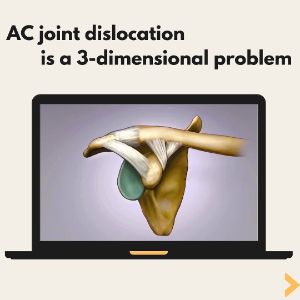
The shoulder is one of the most mobile joints in the body. It is a ball-and-socket joint, where the head of the upper arm bone fits into a shallow socket in the shoulder blade. Surrounding the socket is a ring of cartilage called the labrum, which helps deepen the socket and stabilize the joint.
A SLAP tear refers to a specific injury of the labrum. The term SLAP stands for Superior Labrum Anterior to Posterior, meaning the tear occurs at the top of the labrum and extends from the front to the back.
This area is also where the biceps tendon attaches to the labrum, which is why injuries in this region can affect both shoulder stability and arm movement.
Common Causes of SLAP Tears
SLAP tears can develop in several ways, including sudden trauma or repetitive stress on the shoulder. Common causes include:
- Falling onto an outstretched arm
- Sudden pulling injuries to the arm
- Lifting heavy objects
- Repetitive overhead activities, such as throwing or swimming
- Sports like baseball, tennis, and weightlifting
Athletes who frequently perform overhead motions, particularly baseball pitchers, are at higher risk. Research has shown that SLAP tears are responsible for a significant portion of shoulder injuries in overhead athletes.
Age-related wear can also contribute to labral damage. Over time, the cartilage in the shoulder may gradually weaken, making it more susceptible to tearing.
Symptoms of a SLAP Tear
The symptoms of a SLAP tear can vary depending on the severity of the injury. Some people experience persistent discomfort, while others notice weakness or instability in the shoulder.
Common symptoms include:
- Deep shoulder pain, especially during overhead movements
- A catching, popping, or grinding sensation in the joint
- Weakness in the shoulder or arm
- Reduced range of motion
- Difficulty lifting objects or performing sports activities
Because these symptoms can overlap with other shoulder conditions, an accurate diagnosis is essential.
Diagnosing a SLAP Tear
Diagnosing a SLAP tear typically begins with a detailed physical examination and discussion of the patient’s symptoms and medical history. Imaging tests such as MRI or specialized shoulder scans may be used to confirm the presence of a labral tear.
Dr. Steven Struhl is a shoulder joint specialist who performs thorough diagnostic evaluations to determine the precise cause of shoulder pain. By identifying the specific injury, he can recommend the most appropriate treatment approach.
Treatment Options for SLAP Tears
Treatment for a SLAP tear depends on several factors, including the severity of the tear, the patient’s age, activity level, and overall shoulder health.
Non-Surgical Treatment
Many patients can improve with conservative treatment methods, particularly when the tear is mild.
Non-surgical treatments may include:
- Rest and activity modification
- Anti-inflammatory medications
- Physical therapy to strengthen the shoulder muscles
- Targeted rehabilitation exercises
Physical therapy can be particularly effective in stabilizing the shoulder and reducing stress on the injured labrum.
Surgical Treatment
If symptoms persist despite conservative care, surgery may be recommended. Surgical treatment is often performed arthroscopically, using small instruments and a camera inserted through tiny incisions.
During the procedure, the torn labrum may be repaired or reattached to the bone using specialized anchors. In some cases, the biceps tendon attachment may also be addressed.
Dr. Struhl is one of the top orthopedic surgeons in New York, specializing in shoulder joint injuries and conditions, including labrum SLAP tears. His expertise in advanced shoulder surgery allows patients to receive precise treatment designed to restore joint stability and function.
Get Expert Care for Shoulder Injuries
A SLAP tear can significantly affect your ability to work, exercise, and enjoy everyday activities. Early diagnosis and proper treatment can make a major difference in recovery and long-term shoulder health.
If you are experiencing shoulder pain or suspect a labral tear, expert care is available. Dr. Steven Struhl, a leading shoulder specialist with offices in NYC and Westchester, offers comprehensive diagnosis and treatment for shoulder joint injuries.
Schedule a consultation today to receive an accurate diagnosis and learn about the most effective treatment options to help you return to pain-free movement.
Posted on behalf of Steven Struhl MD